
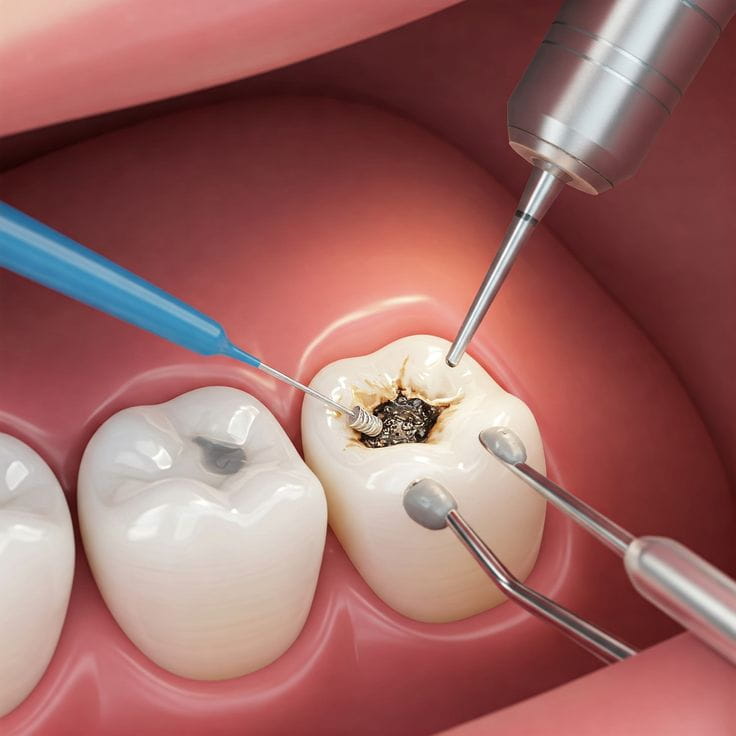
Is Root Canal Treatment Painful? Here's What You Need to Know
Many people become anxious when they hear the words "root canal." However, one of the biggest misconceptions is that the procedure is extremely painful. Thanks to modern dental techniques, advanced equipment, and effective local anesthesia, root canal treatment is generally no more uncomfortable than getting a routine dental filling.
Why Is a Root Canal Needed?
A root canal is performed when the soft tissue inside the tooth, known as the pulp, becomes infected or inflamed due to deep decay, repeated dental procedures, cracks, or trauma. Without treatment, the infection can spread, causing severe pain and potentially leading to tooth loss.
Does the Procedure Hurt?
Before starting the treatment, your dentist numbs the area with a local anesthetic. This ensures that you remain comfortable throughout the procedure. Most patients report feeling pressure or vibration rather than pain.
In many cases, the pain people associate with a root canal is actually caused by the tooth infection not the treatment itself. The procedure removes the infected tissue, relieving pain rather than causing it.
What About After the Procedure?
It's normal to experience mild tenderness or sensitivity for a few days after treatment. This discomfort is usually manageable with over-the-counter pain relievers or medication prescribed by your dentist.
Avoid chewing on the treated tooth until your dentist places the permanent restoration, such as a crown.
Tips for a Comfortable Recovery
Recovering from a root canal is usually quick and straightforward, especially if you follow your dentist's instructions. While mild discomfort is normal for a few days, these simple tips can help promote faster healing and protect your treated tooth.
1. Take Medications as Prescribed
If your dentist prescribes pain relievers or antibiotics, take them exactly as directed. Do not stop taking antibiotics early, even if you start feeling better.
2. Wait Until the Numbness Wears Off
Avoid eating or drinking hot foods until the local anesthesia has completely worn off. This helps prevent accidentally biting your cheek, tongue, or lips.
3. Eat Soft Foods
Choose soft, easy-to-chew foods such as yogurt, mashed potatoes, soup, scrambled eggs, oatmeal, smoothies, rice, bananas, and applesauce for the first few days.
4. Avoid Hard and Sticky Foods
Stay away from hard candies, nuts, popcorn, chewing gum, ice, and sticky sweets until your dentist confirms the tooth has fully healed or a permanent crown has been placed.
5. Chew on the Opposite Side
If possible, chew on the opposite side of your mouth to avoid putting pressure on the treated tooth while it heals.
6. Maintain Good Oral Hygiene
Continue brushing your teeth twice a day and flossing daily. Be gentle around the treated area to keep it clean and reduce the risk of infection.
7. Stay Hydrated
Drink plenty of water throughout the day. Staying hydrated supports healing and helps keep your mouth clean.
8. Avoid Smoking and Alcohol
Smoking can delay healing and increase the risk of complications. If you're taking antibiotics or pain medication, avoid alcohol unless your dentist advises otherwise.
9. Get Enough Rest
Give your body time to recover by getting adequate sleep and avoiding strenuous physical activity for the first 24 hours if recommended by your dentist.
10. Attend Your Follow Up Appointment
If your dentist recommends placing a permanent filling or crown, don't delay the appointment. A permanent restoration protects the treated tooth from fractures and helps ensure long-term success.
When to Contact Your Dentist
Although most recoveries are smooth, contact your dentist immediately if you experience:
-Severe or worsening pain after several days
-Swelling that increases instead of improving
-Fever or signs of infection
-Difficulty swallowing or breathing
-A cracked or broken temporary filling
-An allergic reaction to prescribed medication
Following these recovery tips can help you heal comfortably and protect your treated tooth for many years to come.