Gum Health: Can Gum Disease Cause Tooth Loss?
Your oral health plays a role an important your overall well-being, yet many people overlook the importance of regular dental care until they experience pain or discomfort. Understanding how to care for your teeth and gums, recognizing the signs of common dental problems, and learning about available dental treatments can help you maintain a healthy, confident smile for life.
Why Do Gums Disease?
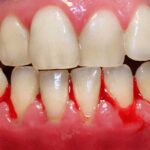
Have you noticed blood in the sink after brushing or flossing your teeth? Bleeding gums are a common dental concern, but they should never be ignored. While occasional bleeding may result from brushing too hard or starting a new flossing routine, persistent bleeding often signals an underlying oral health problem, such as gum disease.
Understanding why your gums bleed can help you seek timely treatment and prevent more serious dental complications.
Early Signs Of Gum Disease
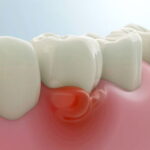
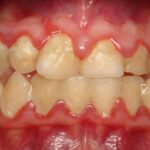
Gum disease is a bacterial infection that affects the tissues supporting your teeth. It begins when plaque a sticky film of bacteria builds up along the gum line. If plaque isn't removed through regular brushing and flossing, it hardens into tartar, causing inflammation and irritation of the gums.
If left untreated, gingivitis can develop into periodontitis, a more advanced form of gum disease that may damage the bone supporting your teeth and eventually lead to tooth loss.
Cause And Treatment
Healthy gums are the foundation of a healthy smile. While most people focus on keeping their teeth clean and white, gum health is equally important for maintaining strong teeth and preventing serious oral health problems. Healthy gums support your teeth, protect the roots, and act as a barrier against harmful bacteria.
Unfortunately, gum disease is one of the most common dental problems and often develops without noticeable symptoms in its early stages. Understanding the causes, recognizing the warning signs, and seeking timely treatment can help prevent complications and preserve your oral health.
Stages of Gum Disease
Gingivitis
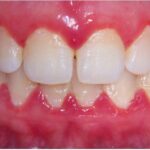
This is the earliest stage of gum disease. Gums become red, swollen, and may bleed easily. At this stage, the condition is usually reversible with professional cleaning and improved oral hygiene.
Periodontitis
If gingivitis is left untreated, it can progress to periodontitis. The infection spreads deeper into the tissues and bone supporting the teeth, potentially causing gum recession, loose teeth, and tooth loss.
Treatment Options for Gum Disease
The right treatment depends on the severity of the condition.
Professional Dental Cleaning
For mild gum disease, your dentist removes plaque and tartar from above and below the gum line to reduce inflammation.
Scaling and Root Planing
This deep-cleaning procedure removes plaque and tartar from the roots of the teeth and smooths the root surfaces, helping the gums reattach.
Medications
Your dentist may recommend antibacterial mouth rinses, antibiotic gels, or oral antibiotics to control infection in certain cases.
Gum Surgery
Advanced gum disease may require procedures such as flap surgery or gum grafting to restore gum health and protect exposed tooth roots.
Regular Maintenance Visits
Patients with a history of gum disease benefit from more frequent professional cleanings and ongoing monitoring.